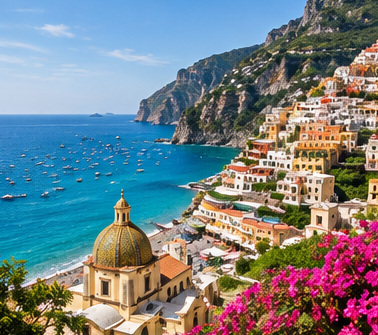
Begin with a feeling, not a checklist
The Mediterranean is not one destination with one personality. It is a broad, varied region of coastlines, islands, port cities, fishing villages, inland valleys, and mountain towns. A trip can mean watching ferries cross a harbor at dawn, wandering through a market before lunch, swimming from a rocky cove, or taking a slow train between cities. Before choosing places, ask what kind of days you hope to have. Do you want lively streets and museums, quiet beaches, long meals, outdoor walks, or a mix? A clear feeling helps turn an overwhelming map into a manageable journey. It can be tempting to collect famous names simply because they appear together in travel lists. Yet distances, transport links, and the time needed to settle into a place matter. Pick a small number of bases and give each enough room to become familiar. One island and one mainland city may provide more contrast—and less transit stress—than racing through five stops.
Choose a route that respects distance
Look at the geography before you book. The Mediterranean basin spans several countries and many different transport systems. A short-looking line on a map may involve a ferry timetable, a seasonal connection, or a long transfer. Check realistic door-to-door travel time, including getting to stations or ports, waiting, and reaching your accommodation. Where practical, use trains and ferries for the experience as well as the lower need to navigate unfamiliar roads. They can turn travel into a gentle transition: landscapes change outside the window, and you arrive in the center of a town rather than a distant parking lot. In more rural areas, a rental car may offer flexibility, but consider narrow streets, parking rules, tolls, and whether you actually need it for the whole trip. Booking fewer transfers often creates more time for spontaneous discoveries.
Let food tell part of the story
Food is an approachable way to learn about a place. Instead of planning every meal around a celebrated restaurant, leave room for bakeries, neighborhood markets, family-run cafés, and simple seasonal dishes. Ask what is local and in season. A morning market can reveal ingredients and routines that are easy to miss when moving only between landmarks. Try to notice how the day shapes eating. In some towns, lunch is a substantial pause; in others, the evening meal stretches late. Be patient with different rhythms rather than treating them as inconveniences. If you have dietary needs, learn a few useful phrases and communicate them clearly. Respectful curiosity usually makes the experience more rewarding than chasing a supposedly perfect dish.
Make room for ordinary life
A memorable trip is not made entirely of headline sights. It may be the same café visited twice, a shaded bench where you read for half an hour, or a conversation with a shopkeeper about the weather. Leave unscheduled time each day. This does not mean abandoning plans; it means allowing a destination to surprise you. When visiting small communities, remember that they are lived-in places, not open-air sets. Keep noise down in residential streets, ask before photographing people, and follow local guidance at beaches, churches, and historic sites. Choose locally owned businesses when you can, and avoid blocking narrow lanes for photographs. Thoughtful behavior helps preserve the welcome that makes travel meaningful.
Pack for variety and changing conditions
Coastal weather can change, and shoulder-season evenings may feel cooler than expected. Pack layers, comfortable shoes with grip, sun protection, a refillable water bottle, and a light bag for day trips. If your itinerary includes religious sites or rural villages, bring clothing that allows you to follow local dress expectations. A compact first-aid kit and any essential medication belong in your hand luggage. Keep documents and booking details accessible offline, and store copies separately from originals. For international travel, check entry requirements, insurance coverage, mobile data options, and any local transport rules well before departure. These small preparations reduce the number of decisions you must make while on the move.
Travel at a pace that feels human
There is no single correct length for a Mediterranean holiday. A long weekend can be satisfying when you focus on one city and its surroundings. A longer trip can combine coast and countryside, but only if the route leaves breathing room. Consider staying at least a few nights in each base so you can unpack, learn the neighborhood, and avoid spending every other day in transit. Early mornings and late afternoons can be especially pleasant for walking, while the middle of a hot day may suit a long lunch or a museum. Build your schedule around local conditions rather than forcing every day to look the same. If a place feels right, let yourself stay longer; if it is not what you expected, adjust without treating the itinerary as a contract.
Leave with more than photographs
Before leaving, take a moment to reflect on what made the trip feel personal. Perhaps it was a coastal path, a meal shared slowly, or the confidence of navigating a new town. Save practical notes for a future visit, but do not turn every moment into content. Some experiences are valuable precisely because they are yours. A Mediterranean escape can be simple: fewer destinations, a little curiosity, respect for local life, and enough time to notice what is around you. The best plan is not necessarily the most elaborate one. It is the one that gives you space to be present.
A note on beaches and access
Coastlines are varied, and access is not always as simple as arriving at a sandy beach. Some coves require a walk over uneven ground, some waterfronts are privately managed, and some areas have protected habitats or seasonal restrictions. Check access information before setting out, wear footwear suited to the route, and take water and sun protection. If you visit a popular beach, use designated paths and facilities, and take all rubbish away with you. Never assume that a photograph showing an empty shoreline means the place is uncrowded or freely accessible at every hour.
Make the itinerary your own
Use recommendations as starting points rather than obligations. If a place is crowded, consider returning at another time or choosing a nearby alternative. If you discover a small town that suits you, allow an extra afternoon instead of adding another destination. Keep a short list of ideas, but let your interests decide what becomes part of the day. That balance between preparation and openness is what turns a route into a personal journey.
A few final practical checks
Before you leave your base each day, check the weather, opening times or service updates that affect your plan, and make sure you have water, any required tickets, and a way to navigate offline. Keep a little flexibility for delays and take local instructions seriously. If a recommendation comes from an old article or social post, verify it against current official information. These simple checks are especially useful when conditions, seasonal schedules, or access arrangements can change.
Make room for a meaningful pause
Try choosing one moment each day when you deliberately stop moving: sit in a square, look across the water, rest at a viewpoint, or enjoy a drink without checking the next stop. This pause can help you notice the character of the place and keep the trip from becoming a sequence of logistics. It also gives you a chance to decide whether the rest of the plan still suits your energy and interests. Adjusting your schedule is a normal part of traveling well.
Keep exploring: Browse more TueBlueTravel articles, learn about the blog, or contact us.